Choosing a Word of the Year can feel inspiring — but also overwhelming. You want a word that fits your season of life. Something that feels true, steady, and supportive. A word that helps you make choices with more clarity and less second-guessing.
But finding that one word?
It often feels harder than it should.
This guide walks you through a simple, grounded process to help you choose a Word of the Year that actually fits your life — not a word that sounds good on Instagram, but one that supports your daily decisions, energy, and focus.
If you want a printable, step-by-step worksheet to make this even easier, the Word of the Year Toolkit gives you guided prompts, reflection pages, and a full decision map to help you choose your word with confidence.
What Is a Word of the Year? (And Why It Works)
A Word of the Year is a single guiding theme for your year.
It becomes the quiet anchor underneath your choices, routines, goals, and boundaries.
Unlike resolutions, which often feel pressure-filled and perfection-based, a Word of the Year is:
- simple
- flexible
- personal
- forgiving
- easy to remember
- supportive, not demanding
A good word doesn’t pile on expectations. It creates a sense of direction. It helps you pause, check in with yourself, and choose what matters.
It is your compass — not a checklist.
Why Choosing the Right Word Matters
Your word shapes the tone of your days.
When chosen well, your Word of the Year helps you:
- make decisions faster
- focus on what truly matters
- manage time and energy with intention
- drop habits that drain you
- strengthen habits that support you
- set priorities without guilt
- stay grounded when life feels full
It’s not about being perfect.
It’s about creating a gentle, steady rhythm that brings you back to yourself.
A Simple Process to Choose Your Word of the Year
This method removes the pressure and gives you clarity step by step.
Step 1: Reflect on Your Last 12 Months
You can’t choose a word for the future until you understand your past season.
Take a moment to check in with yourself:
- What worked well for you?
- What felt heavy or draining?
- What habits supported your well-being?
- Where did you feel stuck?
- What did you learn about yourself?
Look for themes — not perfect answers.
If you want guided prompts for this step, the Word of the Year Toolkit includes a gentle reflection worksheet so you don’t have to start from scratch.
Step 2: Identify What You Need More of (or Less of)
Your word should meet you where you are right now.
Ask yourself:
- What do I need more of this year?
(clarity, rest, progress, confidence, structure, joy, balance) - What do I need less of this year?
(overwhelm, perfectionism, people-pleasing, chaos, distraction)
Your needs reveal your direction.
Step 3: Choose Your Category of Focus
Most people naturally fall into one of these three areas:
1. Clarity
You want direction, grounding, peace, simplicity.
Words often include: Clear, Focus, Space, Steady, Simplify, Breathe.
2. Structure
You want routine, progress, follow-through, organization.
Words often include: Build, Align, Consistent, Discipline, Progress.
3. Follow-Through
You want confidence, courage, resilience, emotional steadiness.
Words often include: Brave, Trust, Strengthen, Rise, Commit.
Choosing your category helps narrow your options without feeling restrictive.
Step 4: Brainstorm Without Editing Yourself
Set a timer for 5 minutes.
Write down every word that comes to mind — even the “bad” ones.
Don’t judge. Don’t analyze. Don’t try to make it perfect.
Let the words come out and land on the page.
This process works even better with the decision-map worksheet inside the toolkit. It walks you through categories and themes so you don’t get stuck choosing between similar words.
Step 5: Look for Patterns in Your List
Read through your brainstorm and look for:
- repeating themes
- words that belong together
- tone you’re naturally drawn to
- words that feel calming
- words that feel energizing
Most people notice a pattern they didn’t expect.
That’s the beginning of clarity.
Step 6: Test Your Top 3 Words
Instead of choosing one right away, test three.
Try these three questions:
- Does this word feel supportive, not demanding?
- Will this word help me on hard days, not just good ones?
- Will this word help me make decisions more easily?
A strong Word of the Year feels like a quiet partner — not a pressure point.
Step 7: Choose the Word That Feels Like “Home”
Most people think choosing a word should feel like a lightning bolt.
But the right word actually feels calm.
It feels like:
- “Yes. That’s exactly what I need.”
- “I can build my days around this.”
- “This feels steady and doable.”
Choose the word that brings relief — not adrenaline.
If none feel right, the toolkit has a “Tie-Breaker Flowchart” to help you choose between two or three strong options.

How to Use Your Word of the Year Daily
Choosing your word is step one.
Living it is where the shift happens.
Here are simple ways to weave your word into daily life:
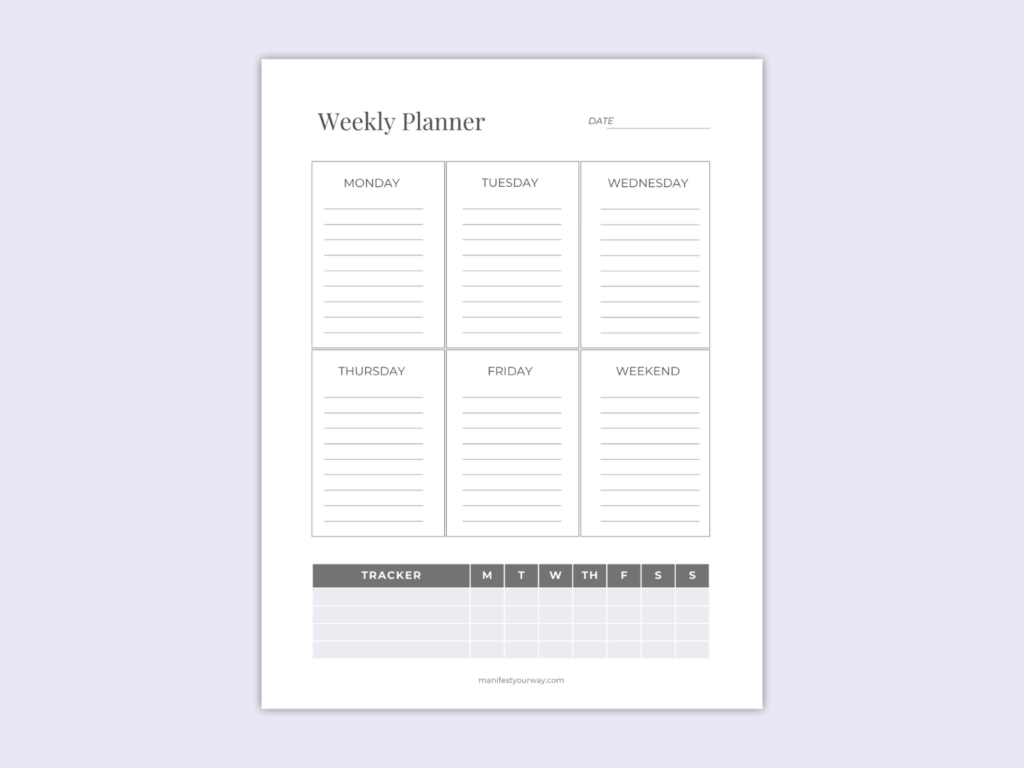
- Add it to your planner.
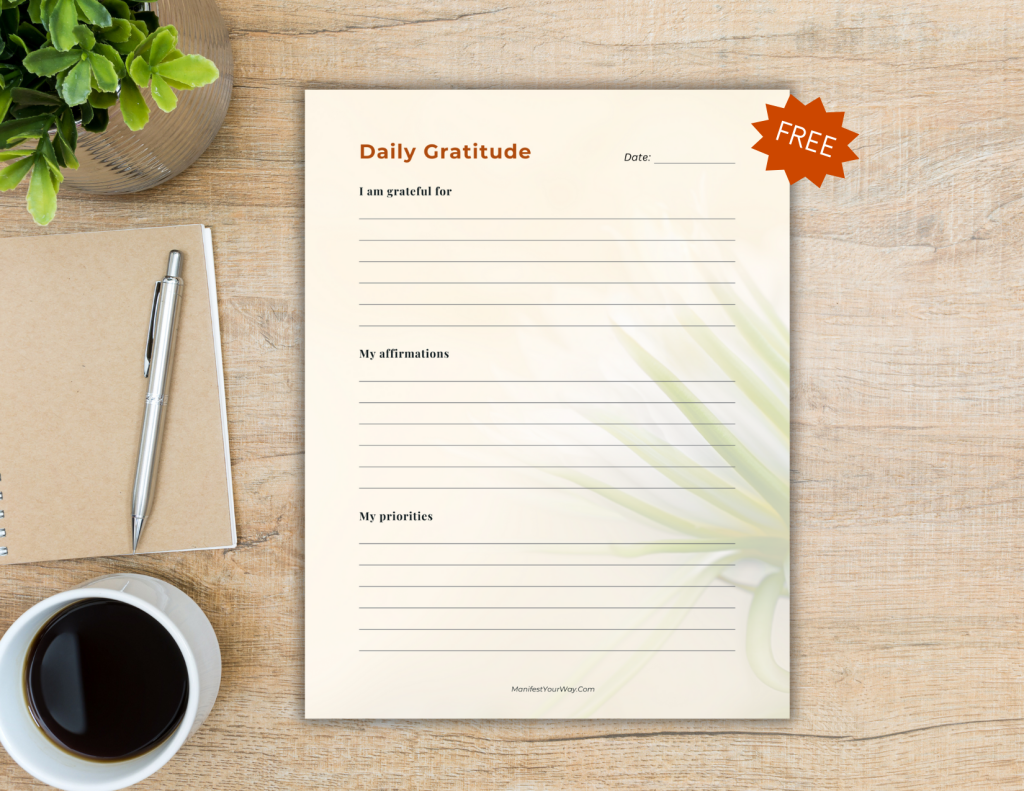
- Put it on the first page of your journal.
- Use it as a filter for decisions.
- Ask yourself, “How can I live this word today?”
- Set a weekly check-in to see how it’s supporting you.
- Keep it visible on your desk or wall.
Gentle repetition builds momentum.
Common Mistakes When Choosing a Word of the Year
Avoid these so your word feels supportive:
1. Choosing a word because it sounds trendy
If it doesn’t fit your life, it won’t guide your year.
2. Picking a word that feels like pressure
Your word should support you — not shame you.
3. Choosing a word too quickly
Rushing leads to a word you won’t connect with long-term.
4. Choosing a word someone else picked
Your season is yours. Your word should be too.
Examples of Strong Words of the Year
Here are grounded, everyday words that support clarity, growth, and intentional living:
Clarity Words:
Clear • Focus • Steady • Mindful • Simplify • Space
Structure Words:
Build • Routine • Anchor • Consistent • Disciplined • Align
Follow-Through Words:
Brave • Rooted • Trust • Confident • Strengthen • Renew
The toolkit includes a comprehensive word list if you want more direction.
Final Thoughts: Your Word Should Feel Like Support — Not Pressure
The right Word of the Year is gentle, grounding, and true to your season.
It brings you back to yourself.
It reminds you what matters.
It helps you make choices from clarity instead of overwhelm.
If you want help choosing your word with confidence, the Word of the Year Toolkit gives you everything you need:
- reflection prompts
- clarity questions
- word-theme categories
- shortlist + decision pages
- tie-breaker flowchart
- daily application ideas
- printable cards for your planner
It turns choosing your word into a calm, simple ritual — not a stressful task.
You deserve a year guided by clarity, intention, and steady progress.
Image credit for ManifestYouWay.com: Pixabay.com, Pexels, Canva, and Unsplashed