Manifestation is one of the most searched personal growth topics today — and also one of the most misunderstood.
People talk about it in extremes.
Either it’s framed as magical thinking, or it’s dismissed as unrealistic.
In reality, manifestation sits somewhere much more grounded — at the intersection of intention, focus, and action. This guide explains what manifestation actually is, how it works in real life, and how people practice it in a practical, sustainable way.
What Is Manifestation?
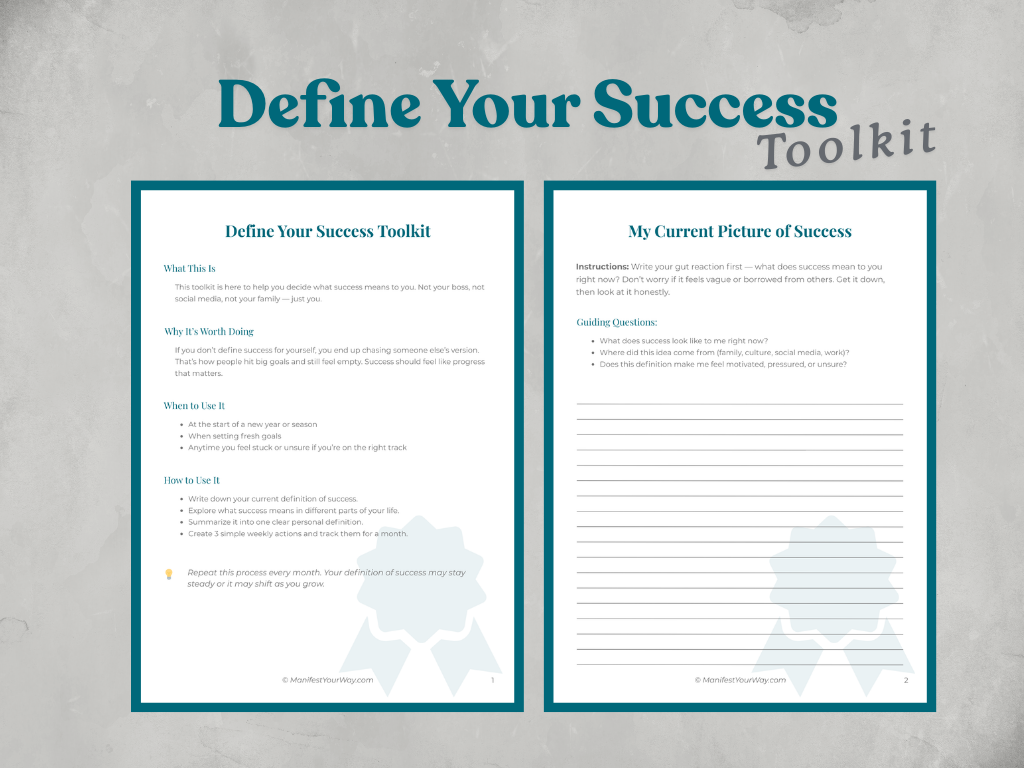
At its core, manifestation is the practice of intentionally directing your thoughts, attention, and actions toward a specific outcome or way of living.
It is not about wishing.
It is not about pretending.
It is not about bypassing effort.
Manifestation begins with conscious intention — deciding what matters, instead of letting life be shaped entirely by habit, pressure, or circumstance.
Most people live reactively:
- Responding to demands
- Repeating patterns
- Making decisions based on urgency rather than direction
Manifestation is the opposite of that.
It is the act of choosing a direction and allowing that direction to influence:
- How you think
- What you prioritize
- The decisions you make
- The actions you repeat
In practical terms, manifestation is about alignment:
- Alignment between what you say you want
- And what your daily behavior actually supports
When people talk about “manifesting” something, what they are really describing is the process of bringing internal intention into external form — over time, through consistent choices.
That’s why manifestation isn’t a single moment or technique.
It’s an ongoing practice of awareness and adjustment.
How Does Manifestation Work?
Manifestation works through a combination of psychology, attention, and behavior.
There are three main mechanisms at play.
1. Focus shapes perception
When you decide what you want, your brain starts filtering information differently.
You notice:
- Opportunities you would have ignored
- Patterns you were repeating unconsciously
- Choices that either support or contradict your intention
This isn’t mystical — it’s how attention works.
What you consistently focus on becomes more visible, more relevant, and more actionable.
2. Belief influences behavior
What you believe is possible directly affects how you act.
If you believe something is out of reach, you hesitate.
If you believe something is achievable, you persist longer.
Manifestation works not because belief creates outcomes instantly, but because belief changes effort, consistency, and resilience.
Small behavioral differences, repeated daily, create real-world change.
3. Action completes the process
This is where manifestation either becomes real — or stays theoretical.
Intentions without action don’t manifest anything.
Action without direction leads to burnout.
Manifestation works when intention and action reinforce each other:
- You clarify what you want
- You act in ways that support it
- You adjust when reality pushes back
Over time, this feedback loop compounds.
That’s why manifestation is gradual, not instant.
And why it’s often recognized in hindsight rather than in the moment.

How Do You Practice Manifestation?
Practicing manifestation does not require rituals, tools, or rigid routines.
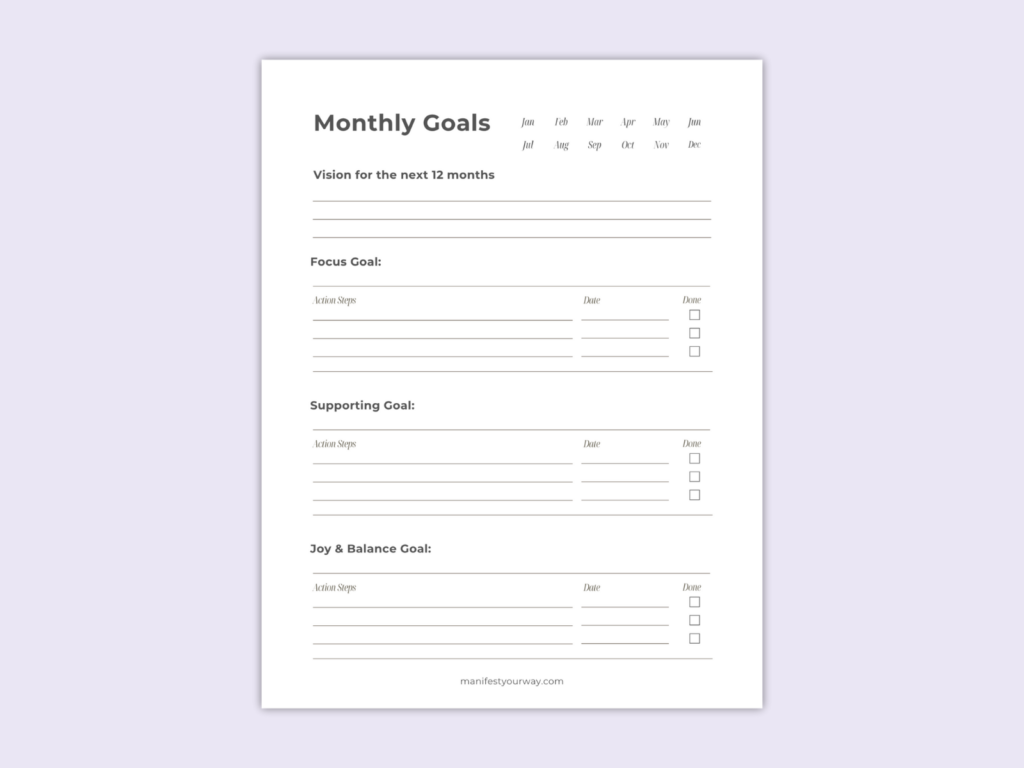
At its simplest, manifestation practice involves three steps:
- Clarify your intention
Decide what you want to move toward — not in abstract terms, but in a way that can influence real decisions. - Keep that intention present
Through reflection, reminders, or writing, you return to your intention regularly so it continues to guide your choices. - Act in alignment
Each day, you make small decisions that support the direction you’ve chosen, even when motivation is low.
Manifestation is not about forcing outcomes.
It’s about creating consistency between intention and behavior.
When practiced this way, manifestation becomes less about belief systems — and more about living with direction.
Why This Understanding Matters
Most confusion around manifestation comes from trying to make it do too much.
When manifestation is treated as a shortcut, it disappoints.
When it’s treated as intentional living, it becomes useful.
Manifestation works best when it’s grounded, realistic, and paired with action — not as a replacement for effort, but as a framework that gives effort meaning.
Manifestation isn’t magic — it’s direction.
Image credit for ManifestYouWay.com: Pixabay.com, Pexels, Canva, and Unsplashed