Self-care isn’t a trend or a reward. It’s the daily maintenance that helps you stay steady, present, and connected to yourself — especially when life is full.
For women, self-care often falls to the bottom of the list. Not because it doesn’t matter, but because work, family, responsibilities, and expectations take over. When you’re pulled in many directions, it’s easy to treat your own needs as optional.
But the truth is simple: caring for yourself is what makes everything else possible.
This guide explains why self-care matters for women, what it actually looks like, and how to build habits that last — even on your busiest weeks.
What Self-Care Really Means (and What It Doesn’t)
Self-care is often misunderstood as luxury or escape. But in real life, it’s much more grounded.
Self-care means:
- meeting your basic needs
- noticing your stress before it spills over
- building small habits that support your wellbeing
- choosing routines that help you stay steady
- creating boundaries around your time, energy, and attention
Self-care does not mean:
- ignoring responsibilities
- expensive treats
- hours of free time
- perfection
- being “soft” or “selfish”
It’s simply the practice of supporting yourself so you can keep showing up for your life with clarity and strength.
Why Self-Care Is Especially Important for Women
Women carry invisible work — emotional labor, mental load, coordination, care, planning, remembering, and smoothing the edges of daily life. Even when you enjoy supporting others, it drains energy quietly.
Here’s why self-care matters deeply:
1. Women are often responsible for everyone else’s needs.
You notice what’s missing, what’s due, what’s next.
Without routines that refill your energy, burnout builds quietly.
Self-care creates space to rest and reset before exhaustion becomes your baseline.
2. Stress affects women differently.
Studies show women experience stress more intensely and recover more slowly.
Your body stays in “alert mode” longer, which impacts sleep, mood, focus, and physical health.
Small self-care habits signal your brain that it’s safe to slow down.
3. Hormonal cycles shift energy, focus, and emotional needs.
Women’s bodies move through natural monthly rhythms.
Self-care helps you adjust your routines instead of pushing through every day as if you’re supposed to feel the same.
4. Many women are conditioned to prioritize others first.
Cultural expectations make it easier to say “yes” than “I need a break.”
Self-care builds the courage to choose yourself without guilt.
5. Self-care protects long-term health.
Fatigue, chronic stress, skipped meals, and lack of rest add up.
Daily care reduces the risk of burnout, inflammation, anxiety, and emotional overload.
This isn’t indulgence — it’s prevention.

What Self-Care Looks Like in a Real Woman’s Day
Self-care doesn’t require a quiet retreat or perfect schedule.
It fits into the life you’re already living.
Here are grounded examples:
Physical care
- consistent meals
- steady sleep routines
- movement that feels doable
- hydration
- stretching, gentle walks, rest
Emotional care
- checking in with yourself
- journaling for five minutes
- naming what feels heavy or off
- giving yourself permission to slow down
Mental care
- simplifying your to-dos
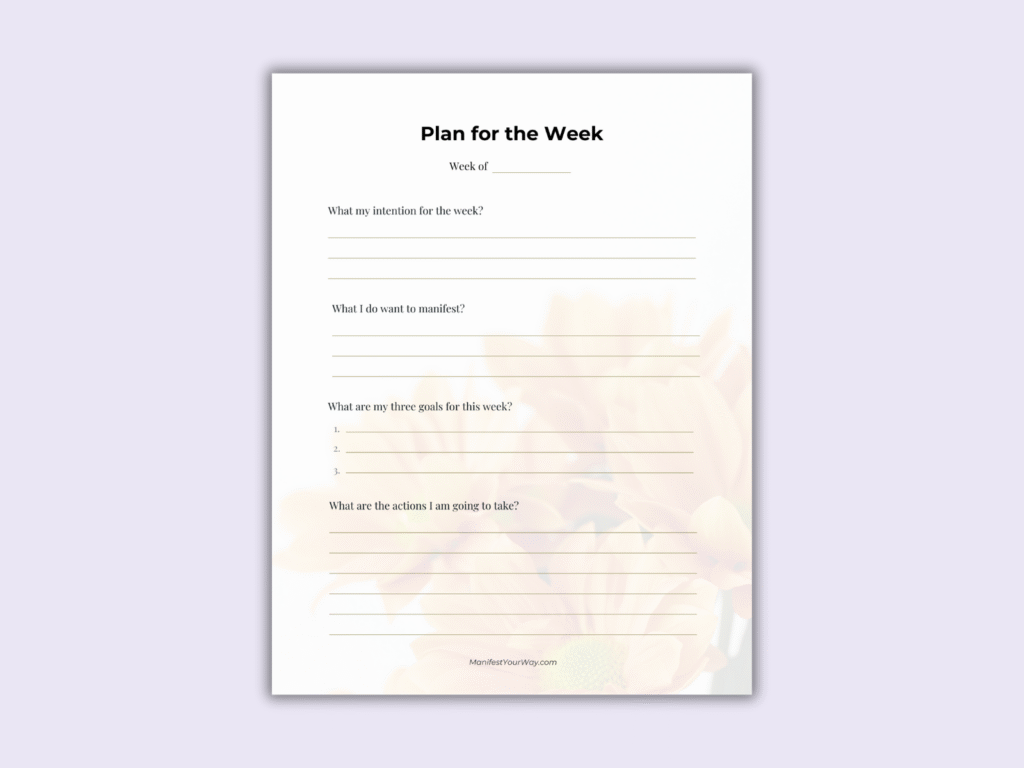
- planning your week on one page
- reducing decision fatigue
- setting boundaries
Social care
- asking for help
- choosing supportive people
- saying “not this week” when needed
Practical care
- preparing your environment
- tidying one small area
- catching up on the tasks that bring relief
- using tools that make life easier
Self-care is less about doing more and more about supporting your real needs.
How to Start a Self-Care Habit When You’re Overwhelmed
If self-care feels impossible, start small. Use this simple three-step rhythm:
1. Notice what you need today.
Are you tired? Wired? Overstimulated? Drained?
One clear need is enough.
2. Choose one small supportive action.
A stretch, a walk, a quiet cup of tea, a five-minute reset, a boundary.
3. Track it gently to stay consistent.
This is where your freebie supports you.
🌼 Use the 55-Day Habit Tracker to Build Lasting Self-Care Habits
Small habits are easier to maintain when you can see your progress.
The 55-Day Habit Tracker Printables give you:
- a simple visual tracker
- a calming layout
- a science-informed 55-day habit method
- a daily cue to check in with yourself
- steady motivation without pressure
You can track:
- hydration
- sleep
- movement
- morning routine
- evening reset
- self-care moments
- mindfulness
- boundaries
- personal goals
It’s a gentle way to stay consistent — one small step at a time.
Download your free 55-Day Habit Tracker Printables →
The Long-Term Benefits of Self-Care for Women
Daily care builds a life that feels spacious instead of squeezed.
Consistency creates:
- stronger emotional resilience
- better focus
- steadier energy
- calmer decision-making
- healthier relationships
- lower stress
- more confidence
- a stronger sense of self
You show up differently when your needs aren’t running on empty.
You Deserve the Same Care You Give Others
Self-care isn’t selfish. It’s support.
It’s steadying yourself so you can live the life you want with intention, clarity, and strength.
Start small.
Choose one need.
Take one action.
Build one habit at a time.
Your life feels different when you treat yourself like someone worth caring for.
Image credit for ManifestYouWay.com: Pixabay.com, Pexels, Canva, and Unsplashed